Foreword
Special thanks to Fernando Baquero, Professor of Microbial Evolution and Epistemologist in Madrid, Spain, for supporting MediCA²C initiative. For several decades, Professor Fernando Baquero has been a leading contributor to research on antibiotic resistance in the Mediterranean region, and has kindly accepted to author the preface to MediCA²C.
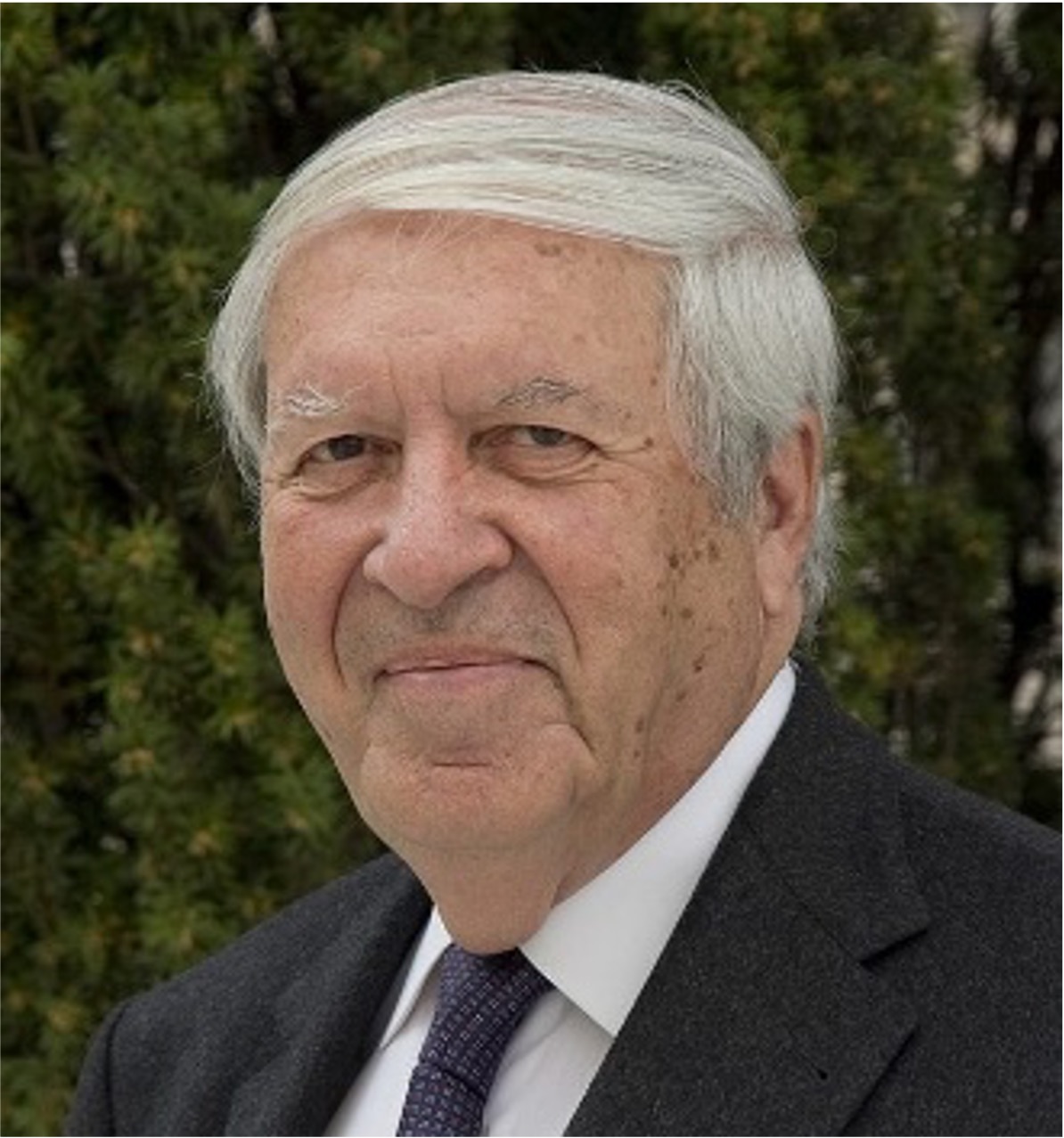
Pr. FERNANDO BAQUERO
MD in Medicine and Surgery, PhD in Medical Microbiology Research Professor in Microbial Evolution – Epistemologist Director of the Division of Microbial Biology and Evolution of Microorganisms
Co-Founder and Past President of ESGARS
Recipient of the most prestigious international honors and awards (Excellence Awards of the American ASM-ICAAC, ESCMID, Garrod Medal of the BSAC, Descartes Award of the EU Commission for International Collaborative Research)
Clarivate Award 2024 for Most Quoted World Scientist in Microbiology
Founder of the Mediterranean Society of Chemotherapy (MSC) in 1976
Mediterranean Microbial Crossroads & MediCA²C
The Mediterranean Sea is unique on Earth, a space connecting 23 nations across three continents within a relatively small and enclosed area; 70 rivers flow into this region. It boasts a wide range of ecological conditions and a huge biodiversity that corresponds to the heterogeneity of environments. This biological complexity has given rise to a multitude of interconnected ecosystems, which have adapted to a range of changing Mediterranean-type climates. This mix of unity and diversity creates the perfect interactive landscape for microbial evolution. Historically, “pandemics” started in the context of the Roman Empire, linking spaces around the Mare Nostrum. Many microbial crossroads intersect in the Mediterranean, which constitutes a natural laboratory for observing the emergence and spread of mechanisms of antibiotic resistance, as well as a testing ground for future preventive, therapeutic, and restorative interventions.
As an example, in the field of our interest, antimicrobial agents and antibiotic resistance, it is worth noting that the first beta-lactamase, TEM-1, was discovered in Greece, and the first carbapenemase, VIM-1, was identified in Italy, and many detoxifying enzymes, including vancomycin resistance, in France. To cite a few examples of antibiotic discovery, the first organism producing a cephalosporin was recovered in Italy. The microorganisms producing antibiotics such as fosfomycin, cephamycin, equinocandins, or carbapenems were first isolated in Spain. Third-generation cephalosporins were born in France, rifampicin was discovered in Italy, and the synthesis of azithromycin was achieved in Croatia.
The uniqueness of the Mediterranean as a research space in infectious diseases was recognized half a Century ago, in 1976, with the foundation of the Mediterranean Society of Chemotherapy, and the organization of the first Mediterranean Congress of Chemotherapy in Madrid in September 1978, where I served as organizer and Scientific Secretary. In our days, Mediterranean countries have maintained a leading role in research on antimicrobial agents and antimicrobial resistance, and were the cradle of the European Society for Clinical Microbiology and Infectious Diseases (ESCMID) whose congresses, initiated in 1983 in Bologna, Italy, constitute the largest attended meeting in the world in the field of antimicrobial chemotherapy. Undoubtedly, we have the credentials to maintain high our research against infection, now enriched with an ecological and evolutionary One-Health perspective.
The concept of One Health should not be understood as the Health of the whole planet; on the contrary, One Health has only sense within spatial limits. Spatial microbiology is a fertile field for future discoveries, and the Mediterranean is an ideal space for achieving this objective. To consolidate our common work in the four cardinal points of our shared space, the organization of a Mediterranean Center for Antimicrobial Agents and Chemotherapy is underway, with the aim of fostering enhanced networking and cooperation within the Mediterranean hotspots of research in the field, including the current Mediterranean Life Sciences and Environmental organizations. Long life for MediCA²C!
Fernando Baquero